
PMW Concrete Industries Achieves SIRIM Eco-Labelling Certification
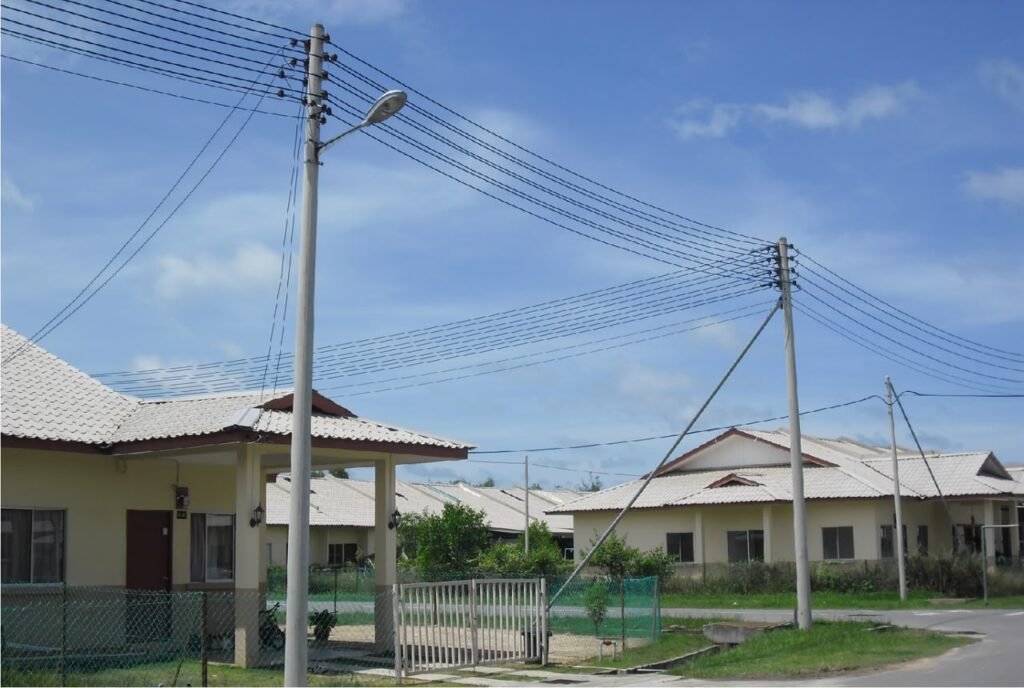
The materials we choose today help shape the infrastructure communities rely on for years to come.
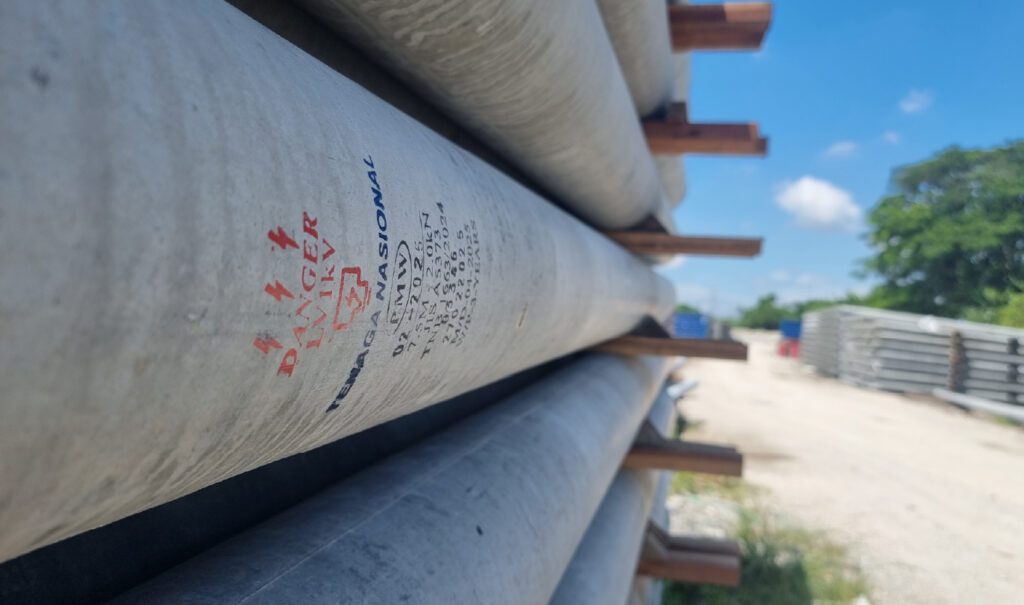
PMW Concrete Industries Sdn. Bhd. has achieved SIRIM Eco-Labelling Certification under SIRIM ECO 033:2021 for our range 6.7m to 14m concrete poles, with the environmental claim “Recycled Content Materials.”
The certification, issued under Licence No. EL000500, is valid from 28 September 2026 to 28 September 2028.
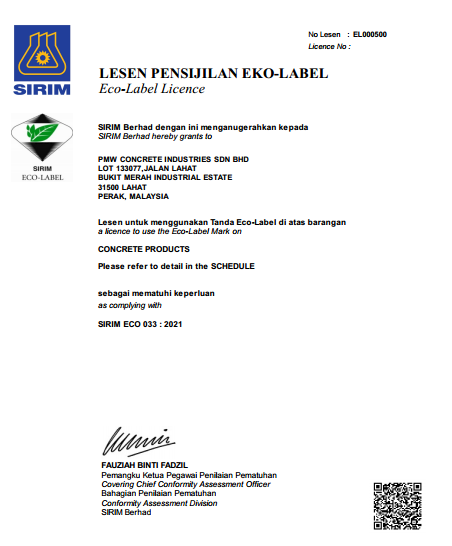
What is SIRIM Eco-Labelling—and Why Does It Matter?
The SIRIM Eco-Labelling Scheme independently verifies that certified products meet specified environmental criteria. As Malaysia’s National Eco-Labelling Programme, it also supports green procurement across government and the private sector.
For PMW Concrete Industries, the certification independently verifies the environmental credentials of our certified products, providing credible evidence beyond our claims.
It also gives customers, consultants, and project stakeholders clearer information when selecting materials for projects that consider sustainability and responsible procurement.
Certified PMW Concrete Products
The certification covers seven PMW Group I – Class 1 product ratings, which are classified as Tapered Hollow Truncated Cone:
- 6.7-10-0.8—6.7 m
- 7.5-10-1.1—7.5 m
- 7.5-14-2.0—7.5 m
- 9-14-2.0—9.0 m
- 10-19-5.0—10.0 m
- 12-19-5.0—12.0 m
- 14-35-14.5—14.0 m
Better Material Choices for Long-Term Development
Infrastructure serves communities long after construction ends. That makes the materials behind it an important part of how we plan for long-term development.
For PMW Concrete Industries, the SIRIM Eco-Labelling Certification strengthens the environmental credentials of our certified product range and supports a broader shift towards considering environmental criteria alongside performance and reliability.
As Malaysia continues to develop its infrastructure, better-informed material choices can support responsible procurement and contribute to a more sustainable built environment.
Building reliable infrastructure starts with making better-informed choices about the materials behind it.